
Table of Content
Yoga Teacher Certification: How to Get It for International Wellness Jobs
A grounded guide for yoga professionals ready to build real careers, not just collect certificates
Let’s be honest: the wellness world is loud. Everyone has an opinion on yoga teacher certification, which programs matter, and whether you even need certification to teach yoga internationally.
But if you want access to real, paid, international opportunities – studios, retreats, resorts, wellness brands – then clarity matters more than trends in your yoga practice.
This guide breaks down exactly how yoga professionals get certified for international wellness roles, what studios actually look for, and how to choose a path that supports both your personal practice and the business of yoga.
No fluff. No pressure. Just informed decisions along your yoga journey.
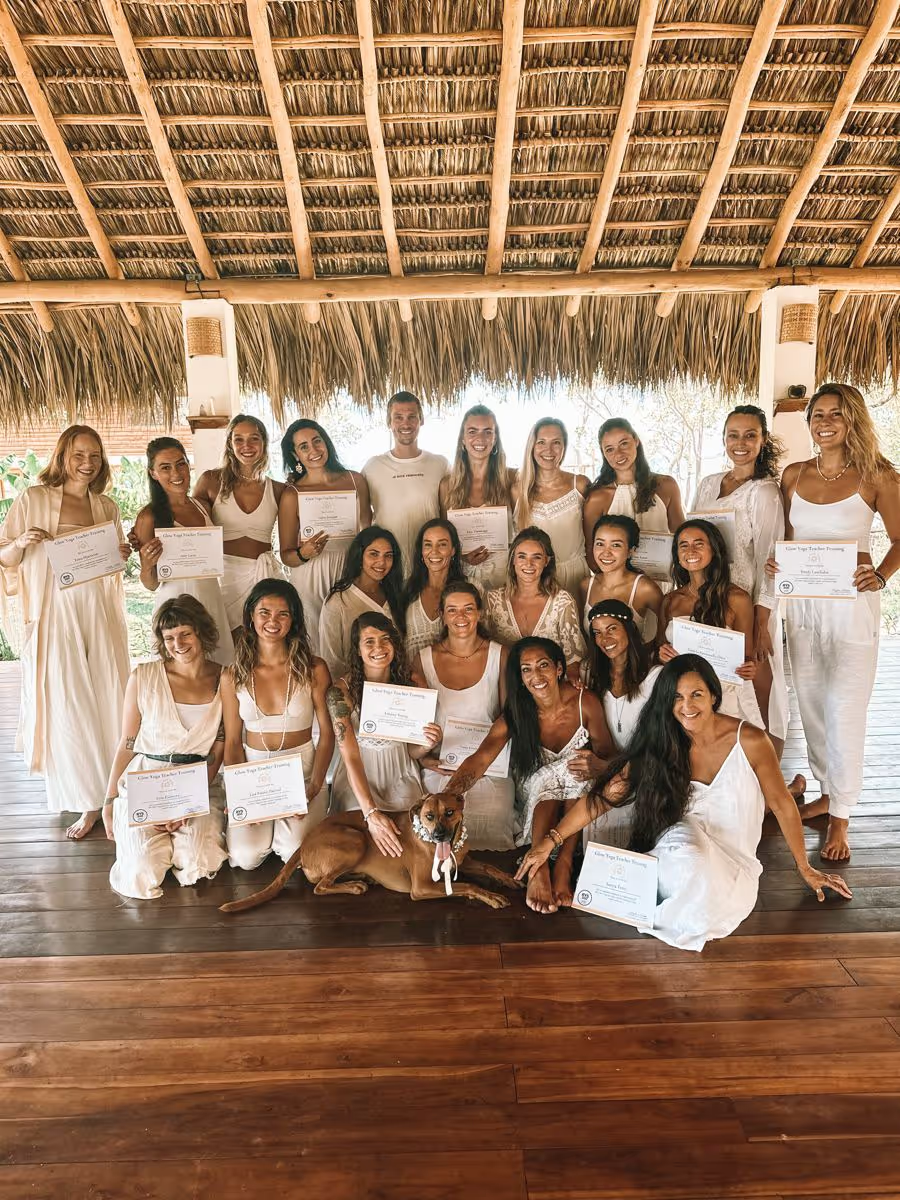
Step 1: Understand What “Certified” Really Means in Yoga
There is no single global law that governs yoga. However, across the field of yoga, there are shared professional standards—and studios hiring internationally almost always align with them.
Achieving your yoga teacher certification requires dedication and a genuine commitment to your practice. It usually begins with a 200-hour yoga teacher training, often referred to as a YTT, 200-hour training, or simply 200 hr. This is the foundational entry point for yoga teachers worldwide.
Completing a recognised yoga teacher training course allows you to:
- Teach yoga legally in most studios
- Lead yoga classes with confidence
- Apply for international roles
- Build credibility as a certified yoga instructor
This is not about ego. It’s about trust.
Step 2: Choose the Right Yoga Teacher Training Program
Not all programs are created equal.
A strong yoga teacher training program balances:
- Physical posture and alignment
- Yoga philosophy and ethical foundations
- Practice teaching
- Anatomy and body awareness
- Mindfulness and integration of practice
Look for a 200-hour program that suits your needs and aligns with Yoga Alliance standards. These are often called Registered Yoga Schools (RYS).
For international yoga teacher training and overseas work, studios look for programs with clear structure, teaching hours, and professional standards they already recognise.
This matters when applying for international roles.
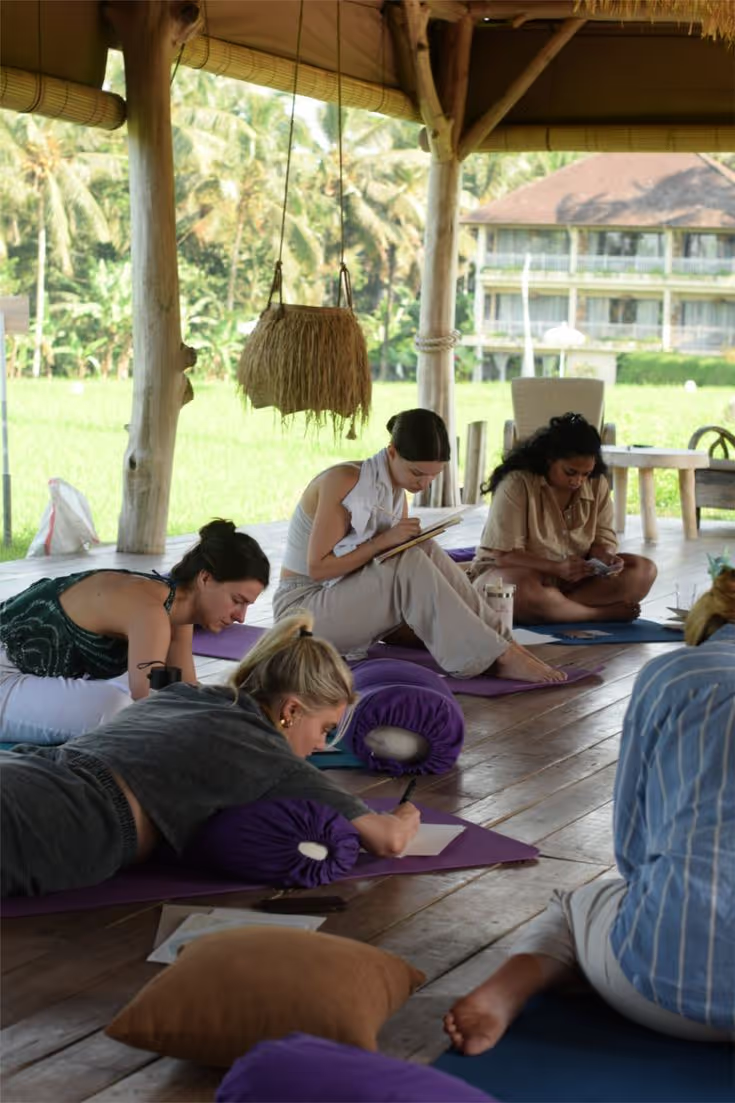
Step 3: Yoga Alliance, RYT and What Studios Look For
Most global studios and retreats ask for:
- A Registered Yoga Teacher (RYT)
- Often listed as RYT or RYT-200
- Completion of a 200-hour yoga teacher training
- Eligibility to register with Yoga Alliance
Once you register with Yoga Alliance, you appear in a global directory studios recognise instantly.
This is why many job listings explicitly say:
“Must be a registered yoga teacher (RYT-200).”
That label simplifies hiring across borders.

Step 4: In-Person vs Online Yoga Teacher Training
The industry has evolved – and so has training.
A 200-hour online yoga teacher training can now meet the same standards as in-person options, as long as the school follows a recognised curriculum and Yoga Alliance requirements.
Benefits of online training include:
- Flexibility for working professionals can be greatly improved by practicing yoga regularly.
- Lower cost
- Access to international teacher trainers
- Strong online community and supportive community along your yoga practice.
For many yoga teachers, an essential part of their journey is completing a 200-hour training. Online course is what makes certification accessible in the first place.
The key is not where you study - it’s who certifies you.
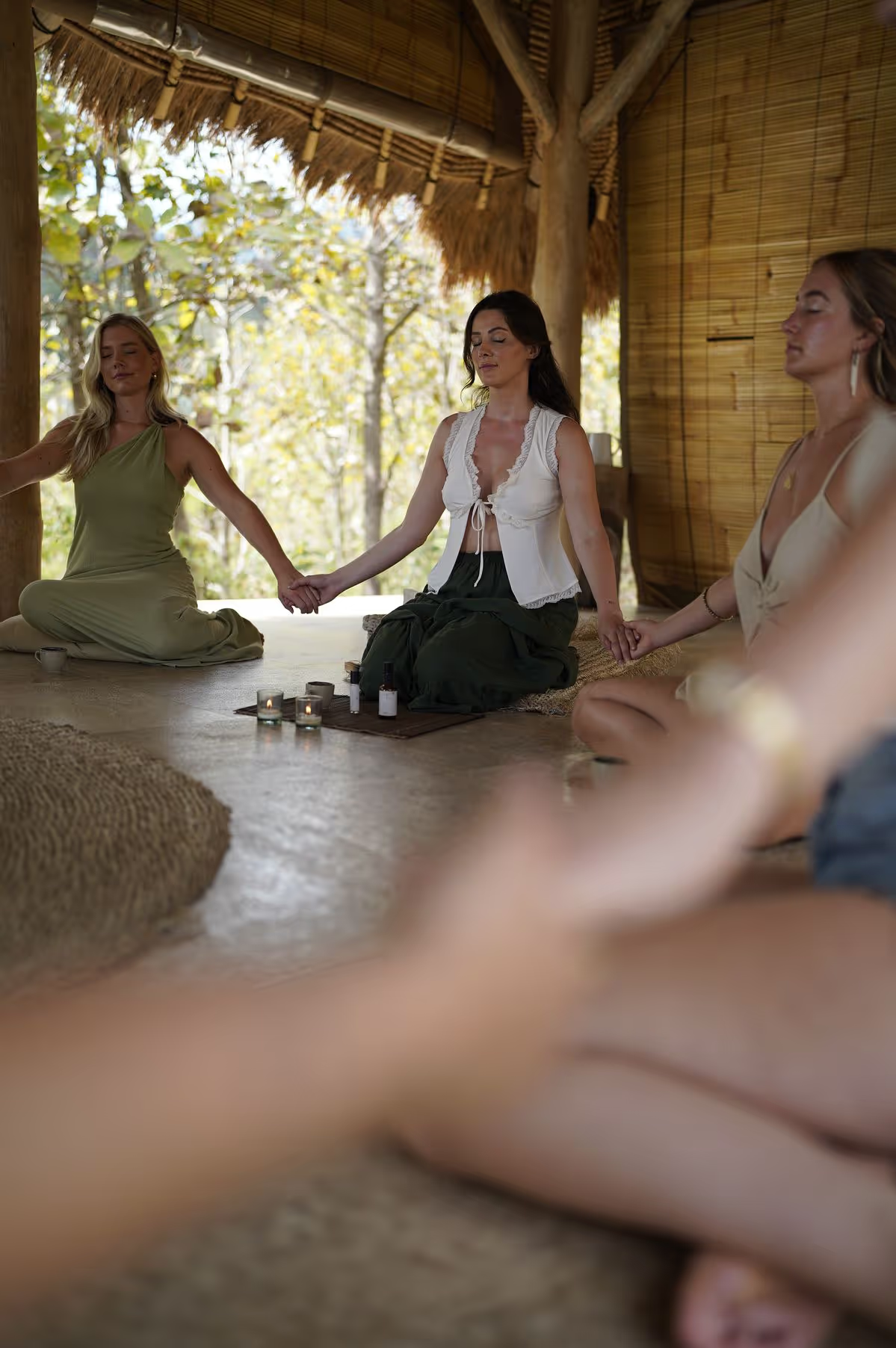
Step 5: Styles, Lineages and Depth of Practice
A solid foundation in yoga principles is crucial for your 200-hour training. Embarking on your yoga teacher training journey can be transformative, especially with a solid YTT program – introduces you to different styles while grounding you in one primary approach.
Most programs include:
- Hatha foundations
- Vinyasa sequencing is a key focus in many yoga training programs.
- Asanas and safe posture transitions are essential in a 200 hour training.
- Yogic principles and yoga philosophy are essential components of yoga training.
Some programs also explore:
- Yoga therapy
- The role of a yoga therapist
- Inclusive and accessible teaching approaches
What matters most is that you immerse yourself in yoga – not just physically, but mentally and ethically – while maintaining a consistent personal practice.
Step 6: From Certification to International Work
Here’s the truth most people don’t say out loud:
Being certified gets you in the room.
Being prepared keeps you there.
International studios look for yoga professionals who:
- Can lead consistent yoga classes
- Understand cultural sensitivity
- Bring yoga and wellness together
- Understand the business of yoga
- Can work within a team of yoga professionals
This is where platforms like Wellsphere help – connecting certified yoga teachers with vetted international opportunities.
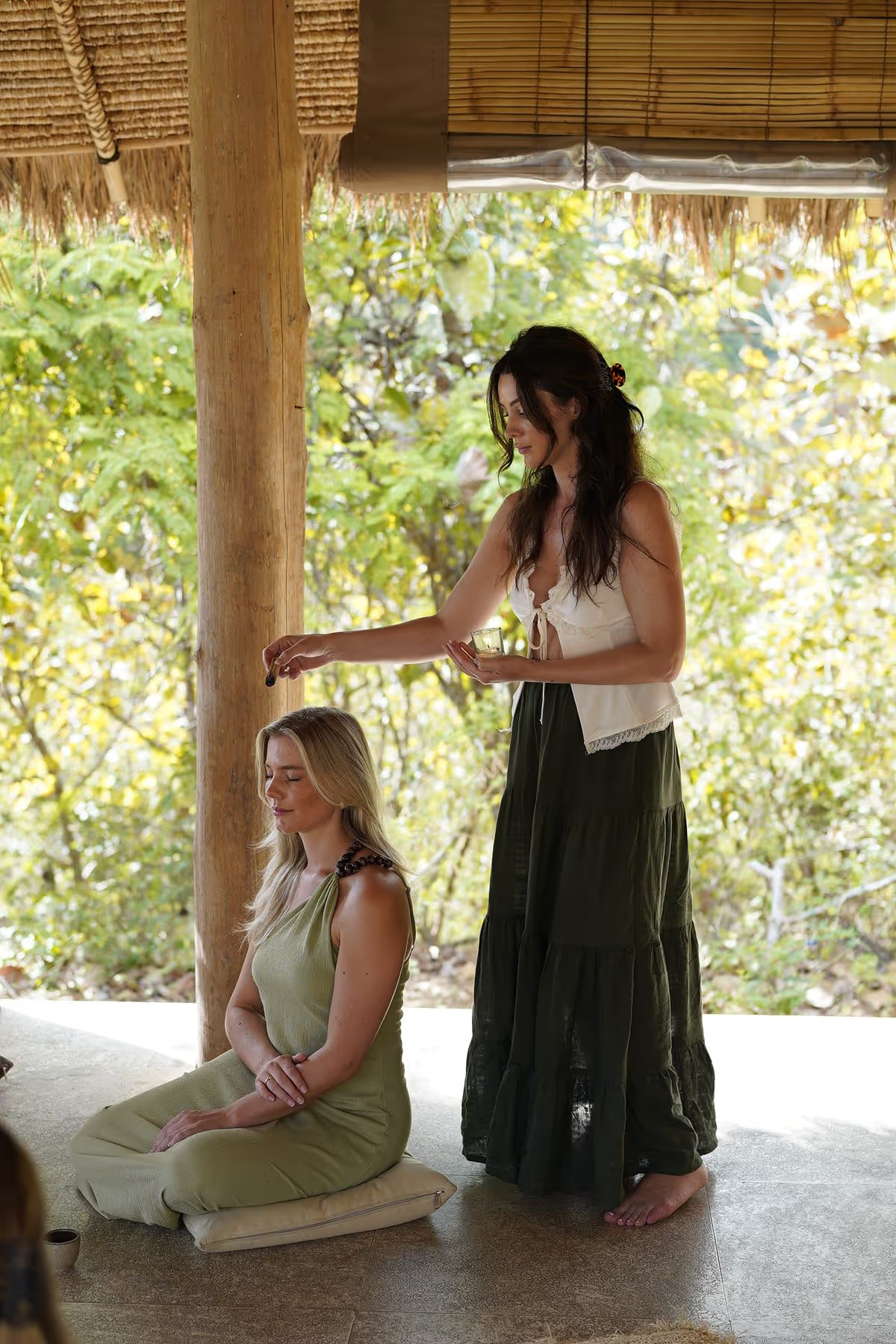
Step 7: Beyond 200-Hour: Continuing Education
Once you’ve completed your 200-hour yoga teacher training, you'll feel prepared to teach. 200-hour yoga teacher training, growth doesn’t stop when you complete the course; it continues with your ongoing yoga practice.
Many yoga teachers move into:
- 300-hour advanced training
- Continuing education workshops
- Specialised modalities
Your teacher training manual becomes a living document — something you revisit as you refine your yoga teaching voice.
Studios value teachers who keep learning.

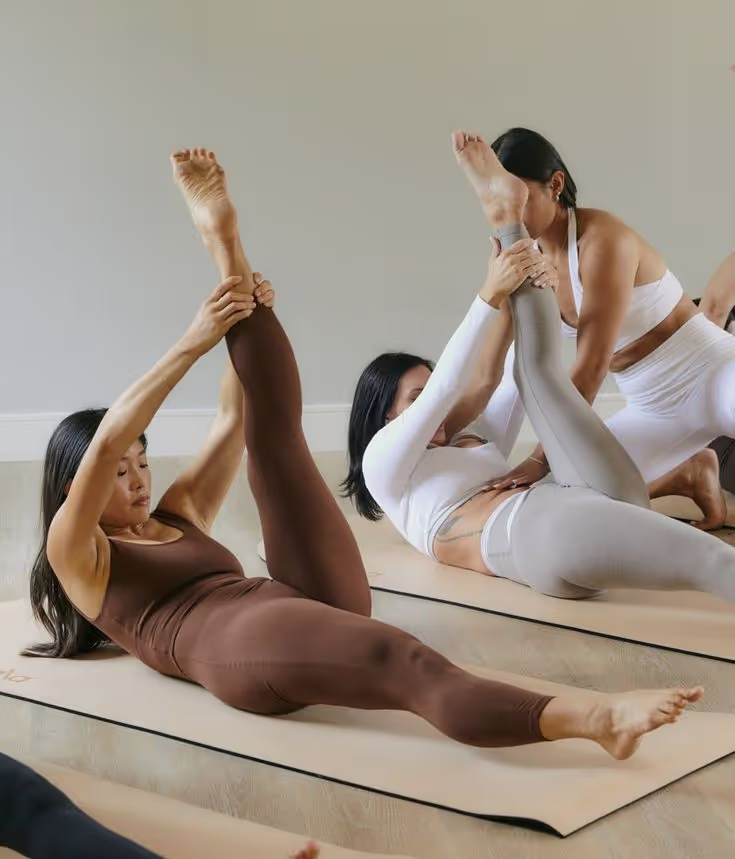
Step 8: Pilates, Cross-Training and Broader Wellness Roles
In international wellness spaces, yoga rarely exists alone.
Many employers value yoga teachers who also understand:
- Pilates
- Movement therapy
- Mind-body integration
Being adaptable makes you employable — especially abroad after your 200-hour training.
Final Truth: Certification Is a Gateway, Not the Goal
To become a certified yoga teacher is not about ticking boxes.
It’s about practicing yoga consistently to deepen your understanding.
- Building trust
- Honouring the practice of yoga
- Learning how to bring yoga into real spaces, with real people
A strong yoga teacher certification opens doors – but integrity, consistency, and professionalism create longevity.
That’s what Wellsphere supports: careers, not quick wins.
Ready to Take the Next Step?
Whether you’re completing your first 200-hour training, exploring yoga teacher training abroad, or transitioning into international wellness work, Wellsphere exists to support yoga professionals doing this work with intention.
Because the future of yoga deserves professionals who are prepared, grounded, and paid fairly.