
Teaching Yoga to Beginners: How to Turn First-Timers into Regulars
Teaching beginners is about clarity, calm pacing, and helping someone brand new feel safe enough to come back. Simple cues, steady sequences, clear demonstrations, and genuine encouragement create a supportive space where students feel seen rather than overwhelmed. When taught with intention, a beginner class becomes less about perfect poses and more about offering a first experience of yoga that feels welcoming, accessible, and grounding.

Table of Content
There’s something quietly beautiful about watching a beginner walk into their first yoga class.
They roll out their mat, eyes flickering between curiosity and hesitation, unsure if they belong here yet.
And in that moment, before a single asana begins, you as a teacher hold their first impression of what this practice can feel like.
Most teachers will tell you that knowing the poses is essential for effective teaching. Yet teaching yoga to beginners can be one of the hardest types of classes — not because the postures are complex, but because beginners often carry unseen resistance. Their first yoga experience can make or break their relationship with the practice.
This guide shares essential tips for teaching yoga to beginners in a way that helps them feel confident, supported, and eager to return.
1. Start Slow and Stay Steady
The first few minutes of a yoga class set the tone for everything that follows.
Someone new to yoga isn’t listening for perfection — they’re listening for permission:
to move slowly, to make mistakes, and to feel safe.
When you teach beginners, keep it simple. It’s tempting to show how much you know, but great yoga teaching is not about complexity — it’s about clarity.
Use verbal cues that are kind, not corrective. For example, “Notice your breath” goes further than “Fix your alignment.”
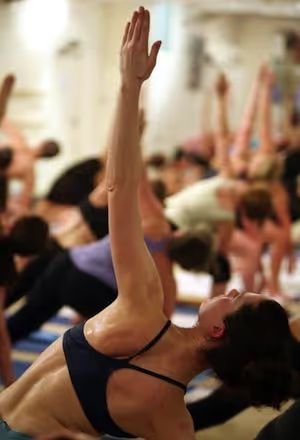
Demonstrate each pose. Many new students learn visually before they learn through feeling. The clearer your setup, the more confident your students will feel moving through your class.
2. Build a Yoga Sequence That Breathes
Your yoga sequence doesn’t need to impress other teachers — it needs to make beginners feel seen.
A strong yoga sequence for beginners focuses on foundational standing poses like Tree Pose, Child’s Pose, and gentle transitions that teach students how to move safely.
When planning your asana class, consider alignment tips for a variety of body types. This helps make your teaching accessible to everyone.
Keep transitions simple and cues calm. The quieter and clearer your guidance, the more confident your new students become. Every posture should feel like an invitation, not a demand.
3. Teach Beginners Without Rushing
When teaching yoga to beginners, think of yourself less as an instructor and more as a translator.
You are helping students interpret a new language through their bodies. Your job isn’t to overwhelm — it’s to translate movement into meaning.
In vinyasa yoga, transitions can feel confusing. Instead of focusing on flow, help students build a foundation.
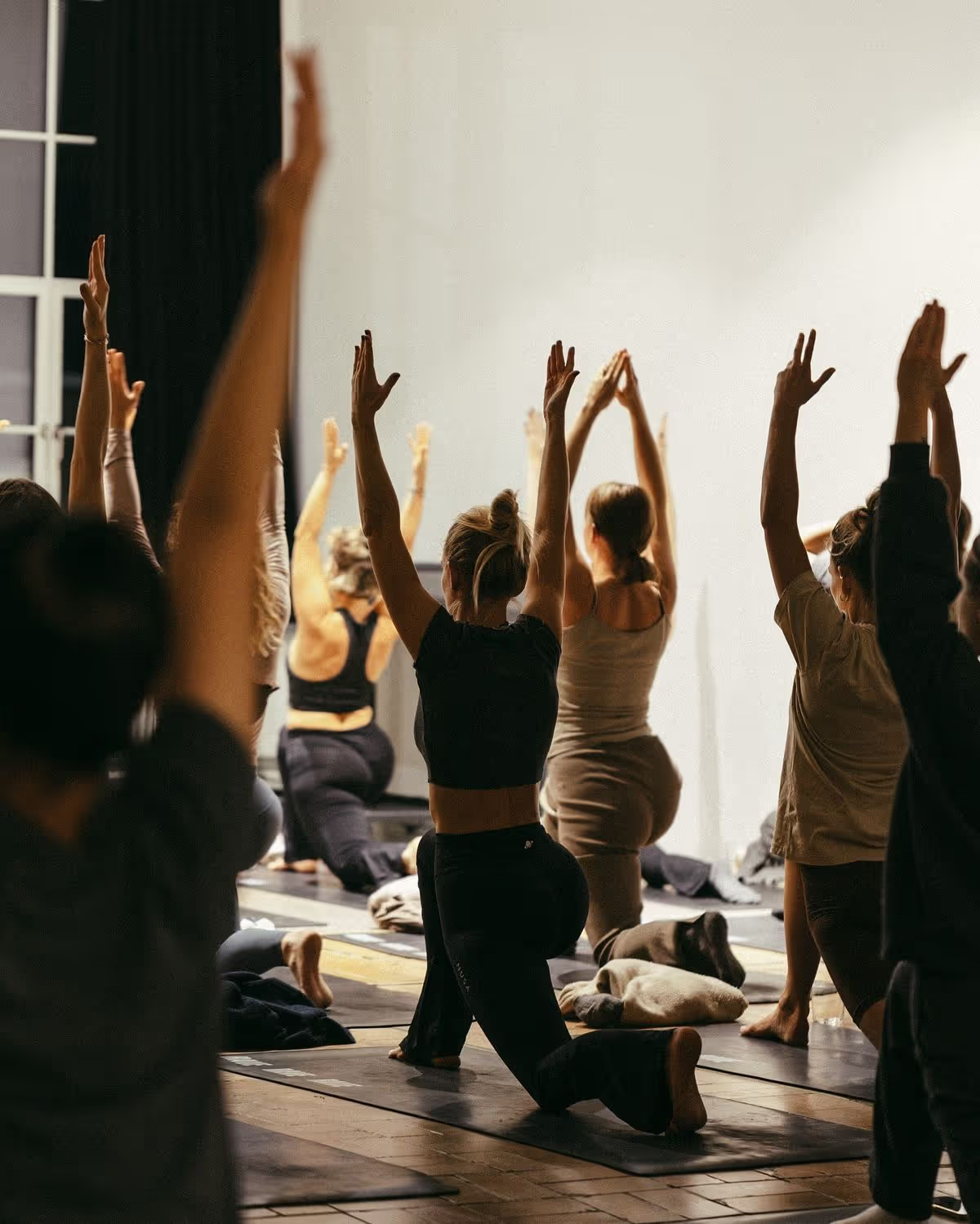
Show them how to adapt poses for different bodies.
Guide them to set up, breathe through, and exit poses mindfully.
This not only makes your class more inclusive but also gives beginners a positive experience that keeps them coming back.
4. Offer Encouragement That Lands
Words matter. Specific, authentic encouragement helps students feel seen and supported.
Instead of saying “Good job,” try:
“Your grounding looks really stable in this asana.”
This kind of feedback feels personal, not performative.
Your goal is to help students feel safe, comfortable, and included. That sense of belonging — more than any perfect yoga pose — is what transforms beginners into committed practitioners.
5. End in Stillness
For beginners, Savasana can be the most challenging part of yoga. Stillness takes courage.
Encourage your students to rest, breathe, and stay even when their minds want to move.
The final few moments of class are where transformation happens.
This is where students realize that practicing yoga isn’t about achieving — it’s about arriving.
6. Why Beginner Yoga Classes Matter
To teach beginner yoga classes well, you must remember what it felt like to be new.
To feel lost in vinyasa, to wonder if you were “doing it right,” to wish someone had slowed down for you.
When you teach with empathy, patience, and presence, you model accessible yoga — the kind that welcomes everyone.
Teaching yoga to beginners isn’t just about leading a sequence.
It’s about creating a positive first impression of yoga that invites people back to their mats again and again.

Final Thoughts
Like any yoga class, it’s about presence, not perfection.
Your class doesn’t have to be flawless — it just has to make students feel seen.
When you teach with intention, clear words, and gentle transitions, yoga becomes less of a challenge and more of a homecoming.
The result?
Beginners who feel safe and supported keep showing up — because they know this space is built for them.
Ready to Start Your Journey Teaching Yoga?
Explore opportunities for yoga teachers and discover how you can teach yoga to beginners and design inclusive yoga sequences for beginners on Wellsphere.