Table of Content
Pilates Instructor Job Description, Requirements & Pay Rate (2026 Career Guide)
The Pilates industry is booming.
Studios are expanding globally, boutique wellness is becoming mainstream, and more people than ever are investing in mindful movement as part of their lifestyle.
Which means one thing:
The demand for skilled Pilates professionals has never been higher.
If you’re looking for a clear Pilates instructor job description, want to understand what it takes to learn from experienced teachers, or you’re trying to figure out the real Pilates instructor pay rate, you’re in the right place.
Let’s break it down properly: no fluff, no confusion, just a clear guide to building a sustainable, rewarding career in Pilates.
What Does a Pilates Instructor Do?
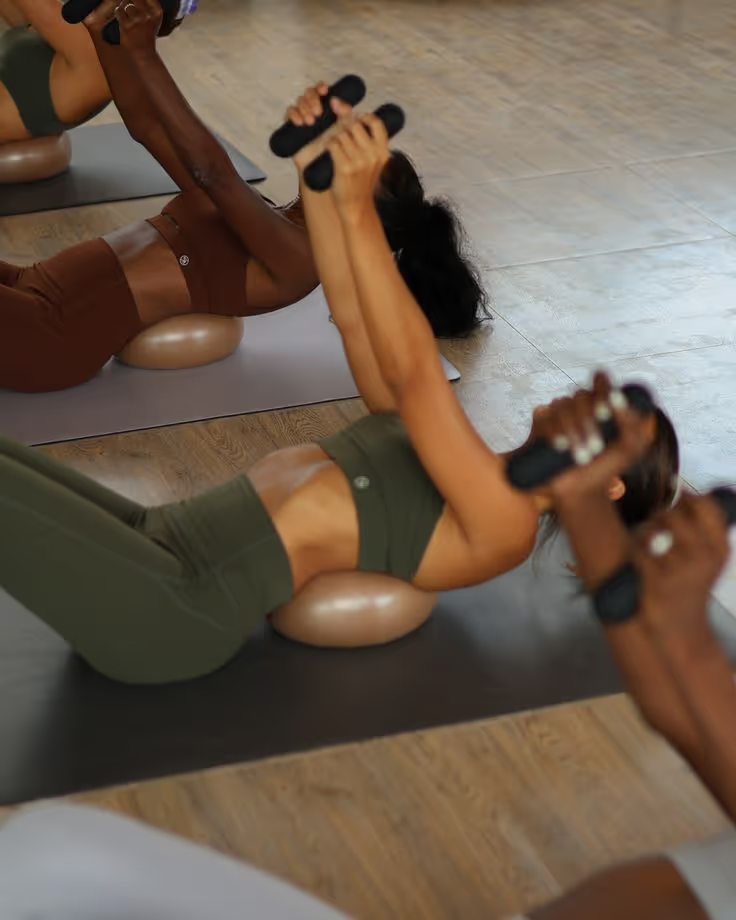
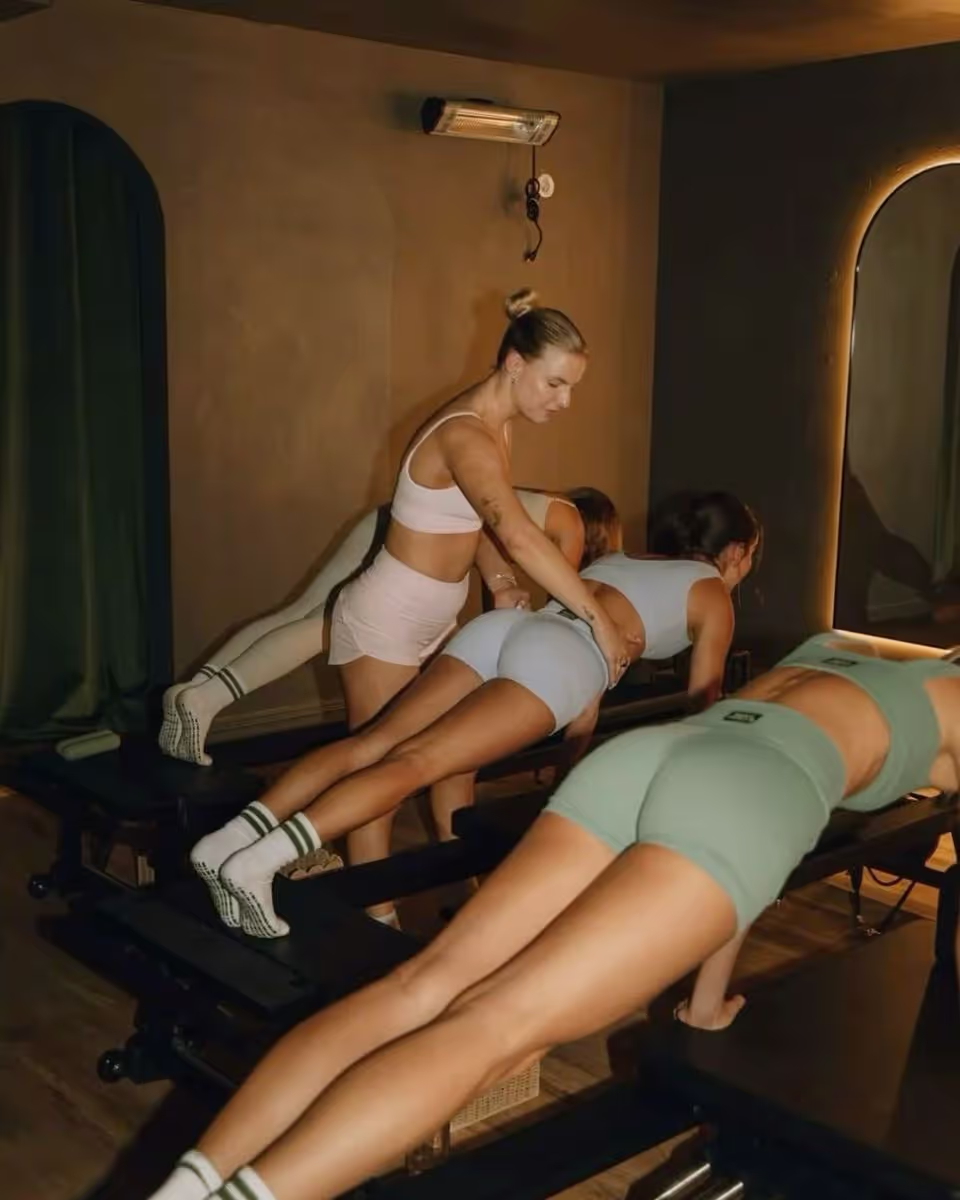
A Pilates instructor is a movement professional trained to guide clients through structured sessions that build strength, stability, mobility, and body awareness.
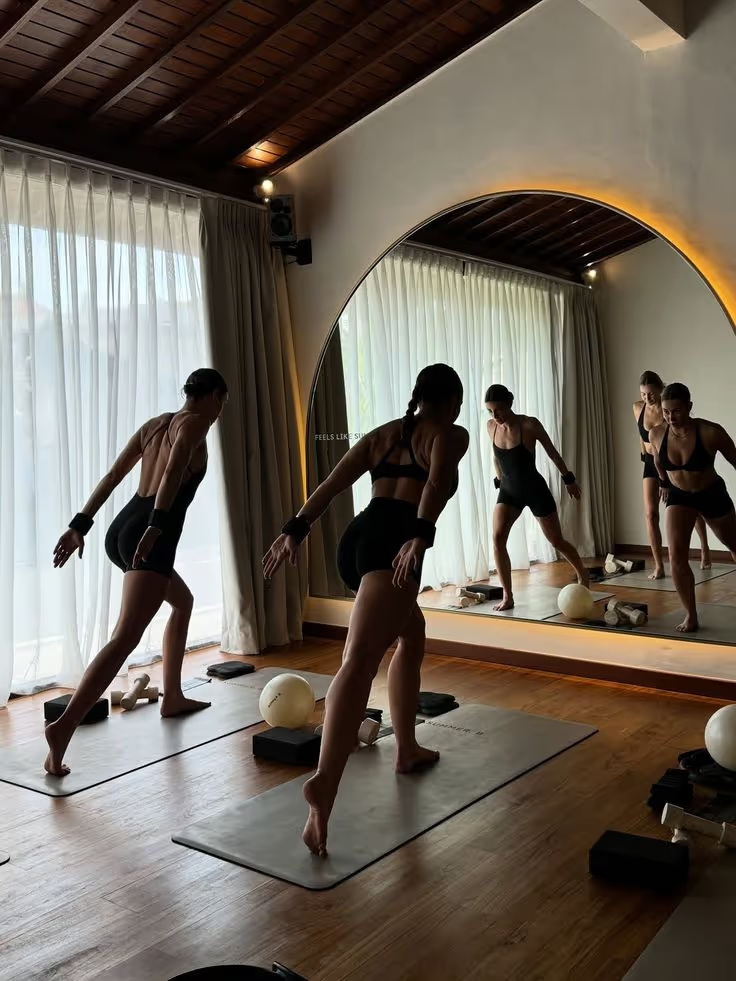
A modern instructor works across multiple formats, including:
- Pilates mat fundamentals
- Reformer training
- Apparatus-based Pilates instruction
- Group classes and private sessions
- Small group classes in boutique studios
At its core, Pilates teaching is about precision, safety, and connection — principles established by Joseph Pilates.
You’re not just leading workouts. You’re delivering movement education.
Pilates Instructor Job Description (What Employers Expect)
A strong foundation in Pilates principles is crucial for anyone who wants to teach professionally. A typical Pilates instructor job description includes:
Core Responsibilities
- Teach Pilates classes in-person and online
- Lead mat and reformer sessions (including reformer classes)
- Deliver safe, effective Pilates exercises for all levels
- Support clients through private sessions and group classes
- Maintain professionalism in a Pilates studio environment
- Apply anatomy knowledge to cue clearly and safely
- Improve teaching skills through observation hours and practice teaching
- Create a welcoming experience rooted in mindful movement
A successful Pilates career blends technical expertise with presence.
Studios want instructors who can hold the room.
Pilates Instructor Requirements (The Non-Negotiables)
Let’s be honest: Pilates is not a “weekend certificate” career anymore.
Most studios expect a structured pathway.
The most common Pilates instructor requirements include:
1. Completing a Teacher Training Program
To become a Pilates instructor, you’ll need a recognized teacher training program that includes:
- Coursework
- Practice hours
- Teaching hours
- Pilates repertoire development
- Anatomy foundations
- Supervised teaching and feedback
A Pilates teacher training program is the gold standard for entering the profession and building real teaching confidence.
2. Earning a Certification
A reputable certification matters.
Most employers look for instructors with:
- Pilates certification
- Reformer certification
- Comprehensive Pilates certification
- A recognized certification pathway
Some instructors also choose to pursue national certification to strengthen credibility and career options.
In general, certified instructors are viewed as more hireable, especially in premium markets.
3. Mat + Reformer Competency
Most modern studios expect comfort with:
- Pilates mat
- Reformer Pilates
- Pilates equipment and apparatus work
Reformer training is now essential, especially in higher-end studios.

Types of Pilates Certification Programs
There are several respected training programs worldwide.
Some of the most recognized include:
- Balanced Body
- STOTT
- Club Pilates education pathways
- Classical comprehensive programs (varies by school)
A comprehensive Pilates education track often includes:
- Pilates comprehensive curriculum
- Mat and reformer modules
- Full program requirements (hours + assessment)
- Exercise science foundations
If you want to teach Pilates long-term, invest in quality training and a certification that’s recognized in your market.
How to Become a Pilates Instructor (Step-by-Step)
If you love Pilates and want to turn it into a career, here’s the roadmap:
- Start practicing Pilates consistently
- Choose a Pilates teacher training program
- Complete instructor training with observation hours
- Log practice teaching and required practice hours
- Earn your certification
- Begin teaching in entry-level roles (and keep refining your skills)
- Continue with workshops and continuing education
- Build a rewarding career through experience
Becoming a certified instructor takes commitment — but it’s worth it.
Comprehensive Pilates vs Mat Certification
Many instructors start with mat, but studios increasingly prefer comprehensive pathways.
Pilates Mat Certification
A great foundation, but limited scope.
Comprehensive Pilates Certification
Typically includes:
- Reformer
- Apparatus
- Full pilates repertoire
- Broader job opportunities
A comprehensive Pilates certification can open doors internationally.
Pilates Instructor Pay Rate (What You Can Actually Earn)
Let’s talk money — realistically.
Pilates instructor pay varies based on:
- Location
- Studio type
- Experience
- Group vs private sessions
- Certifications held
Typical Pay Range
- Group classes: £30–£70 per class
- Private sessions: £60–£120 per session
- Full-time roles at premium studios may offer more stable salaries
Your rate can increase significantly when you specialize in reformer, build loyal clients, and teach consistently.
Instructors with comprehensive certification often earn more over time.
Skills That Make You Stand Out
Beyond Pilates training, studios look for instructors who bring:
- Passion for Pilates
- Strong communication
- Teaching confidence
- Ability to teach across levels
- Professionalism and warmth
- A background as a personal trainer or fitness instructor (helpful, but not required)
Studios want instructors who lead with presence — not ego.
Is Pilates a Good Career Path?
A career in Pilates can be one of the most fulfilling paths in wellness.
It offers:
- Flexible schedules
- Global opportunities
- Deep client impact
- A sustainable long-term profession
If you love movement education and enjoy working closely with people, Pilates is a strong direction.
With proper training and consistent teaching, it can become a successful profession — financially and personally.
Final Thoughts: The Pilates Industry Needs More Professionals
Pilates is not a trend.
It’s becoming a pillar of modern wellness.
And the industry needs trained teachers who take their craft seriously.
If you’re ready to become an instructor, commit to proper teacher training, earn your certification, and step into the space with confidence.
Because Pilates isn’t just exercise.
It’s mindful movement.
It’s a lifelong practice.
And for the right person, it’s a rewarding career.