
Table of Content
Certified Yoga and Pilates Instructors: What Employers Should Actually Look For
Hiring certified yoga instructors and certified Pilates instructors shouldn’t feel like guesswork.
Yet for many employers, it still does.
Certificates look impressive on paper. Training hours stack up quickly. Everyone says they’re “experienced.” But when that instructor walks into a studio, retreat, or hotel floor, the real question becomes simple:
Can they deliver?
At Wellsphere, we work with employers globally, from boutique yoga studios to luxury retreats and hospitality brands. What we’ve learned is this: strong hiring decisions are not about collecting the most credentials. They’re about understanding the right ones.
This guide breaks down what actually matters when hiring yoga and Pilates professionals, without fluff, confusion, or outdated assumptions.

Certification Matters, But Context Matters More
Yes, certification is non-negotiable.
But not all certifications signal the same knowledge and skills.
When employers search for certified yoga instructors, they’re often really asking:
- Has this person completed a credible training program?
- Do they meet professional teaching requirements?
- Can they safely and confidently lead a yoga class?
A solid starting point is a 200-hour certification, completed through a reputable yoga teacher training program. This is widely accepted as the industry baseline and is often referred to as a foundational 200-hour training.
A 200-hour yoga teacher training program typically covers:
- Core asanas
- Pranayama
- Basic anatomy
- Yoga philosophy
- Ethics and methodology for yoga instruction
This foundational level helps instructors build a strong foundation and understand the right yoga principles needed to guide students safely.

Understanding Yoga Alliance and Registration
Many employers ask about Yoga Alliance, and for good reason.
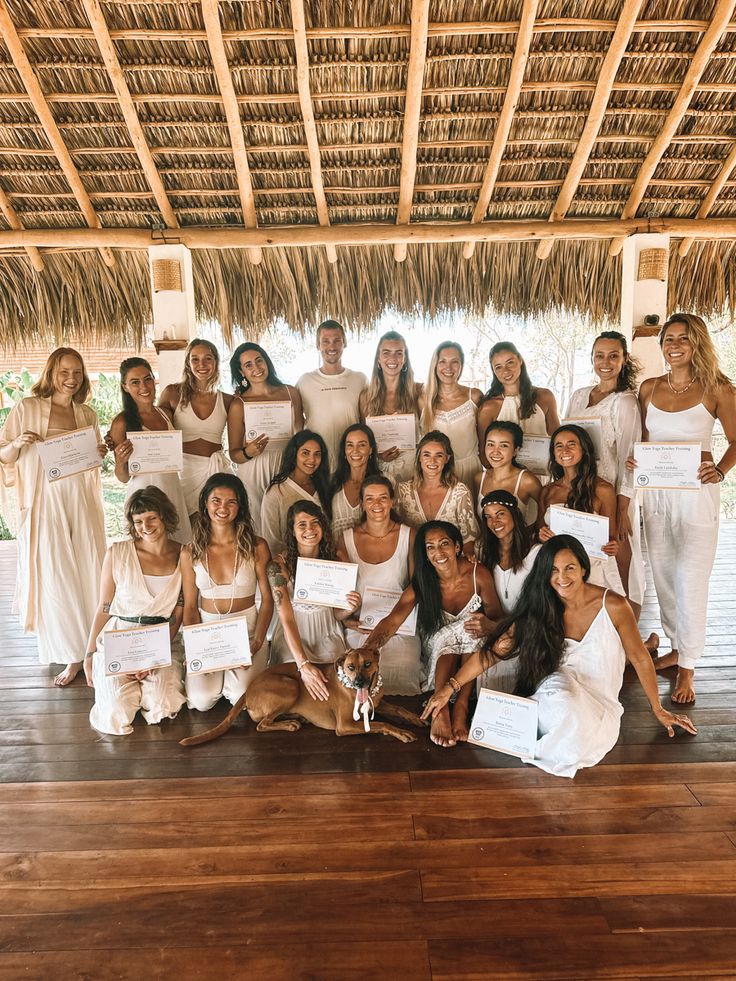
Graduates from a registered yoga school (also known as an RYS) can register as a registered yoga teacher, commonly listed as essential skills for certified yoga teachers. RYT 200 after completing a 200-hour yoga teacher training.
While Yoga Alliance is not a regulatory body, it provides:
- A globally recognized framework
- Standardised coursework
- Transparency around training hours and scope
Advanced credentials like E-RYT 500 or a 500-hour certification (from a 300-hour training plus the initial training) indicate deeper study, leadership experience, and exposure to advanced training.
Experience Goes Beyond Hours Logged
Many CVs list thousands of hours of yoga, but employers should look deeper.
True teaching experience shows up in:
- Clear sequencing
- Calm, confident cueing.
- Adaptability in mixed-level rooms
- Inclusive language and delivery
The best instructors don’t just teach yoga. They understand how to guide mindful movement, hold space, and adjust their approach depending on the setting, whether that’s vinyasa, yin yoga, or therapeutic formats.
A strong personal practice matters too. Instructors who continue to deepen their own yoga practice bring authenticity, presence, and sustainability to their work.
Beyond the 200-Hour: Why Continuing Education Counts
A 200-hour yoga teacher qualification is the beginning, not the finish line.
Employers should value:
- Continuing education
- Specialty modules such as prenatal
- Training in breathwork
- Experience offering yoga to children
- Exposure to the healing power of yoga
Additional pathways like 500-hour training or specialised study toward becoming a yoga therapist signal commitment to growth and care.
This is especially important in hospitality, retreat, and wellness-focused environments where guest safety is paramount.

Pilates and Cross-Disciplinary Awareness
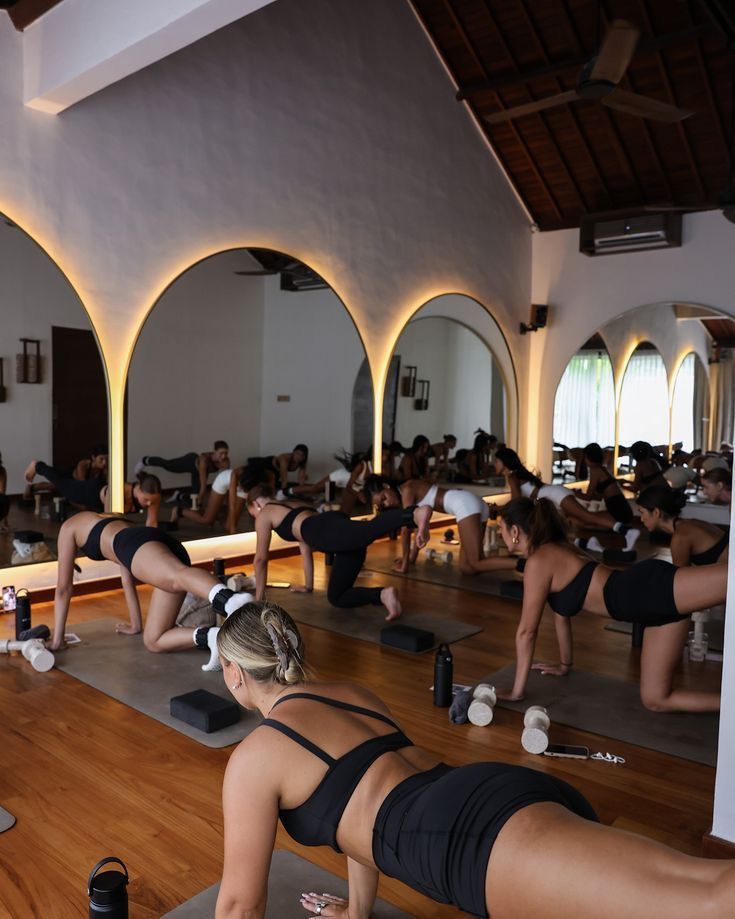
While this guide focuses heavily on yoga, employers hiring certified Pilates instructors should apply the same lens:
- Depth over buzzwords
- Application over theory
- Teaching clarity over aesthetics
The strongest candidates often have additional teaching experience across disciplines and understand how movement systems complement each other.
What Employers Often Overlook
Here’s what separates good instructors from great ones:
- A genuine understanding of yoga, not just poses
- Respect for yoga history
- Practical knowledge of yoga, not memorised scripts, but authentic techniques that resonate with students.
- The ability to learn the skills required for different audiences
- Emotional intelligence and presence
Some candidates completed self-paced or hybrid teacher trainings. That’s not inherently negative, but employers should ask how the instructor applied that learning in real-world environments.

The Employer Takeaway
When hiring:
- Look for a credible yoga teacher training background
- Understand what each credential represents
- Value instructors who continue to deepen their education
- Prioritise experienced teachers with adaptable delivery
- Seek candidates aligned with your brand, guests, and values
Whether someone is looking to become a yoga teacher or already leading classes globally, quality shows up in consistency, care, and clarity.
That’s how you hire the best yoga professionals, not just the most certified ones.
At Wellsphere, we connect employers with instructors who meet these standards, thoughtfully, intentionally, and globally.
Because good hiring isn’t about more options.
It’s about better ones.
Subscribe
Weekly insights,
delivered with intention
professionals every week.